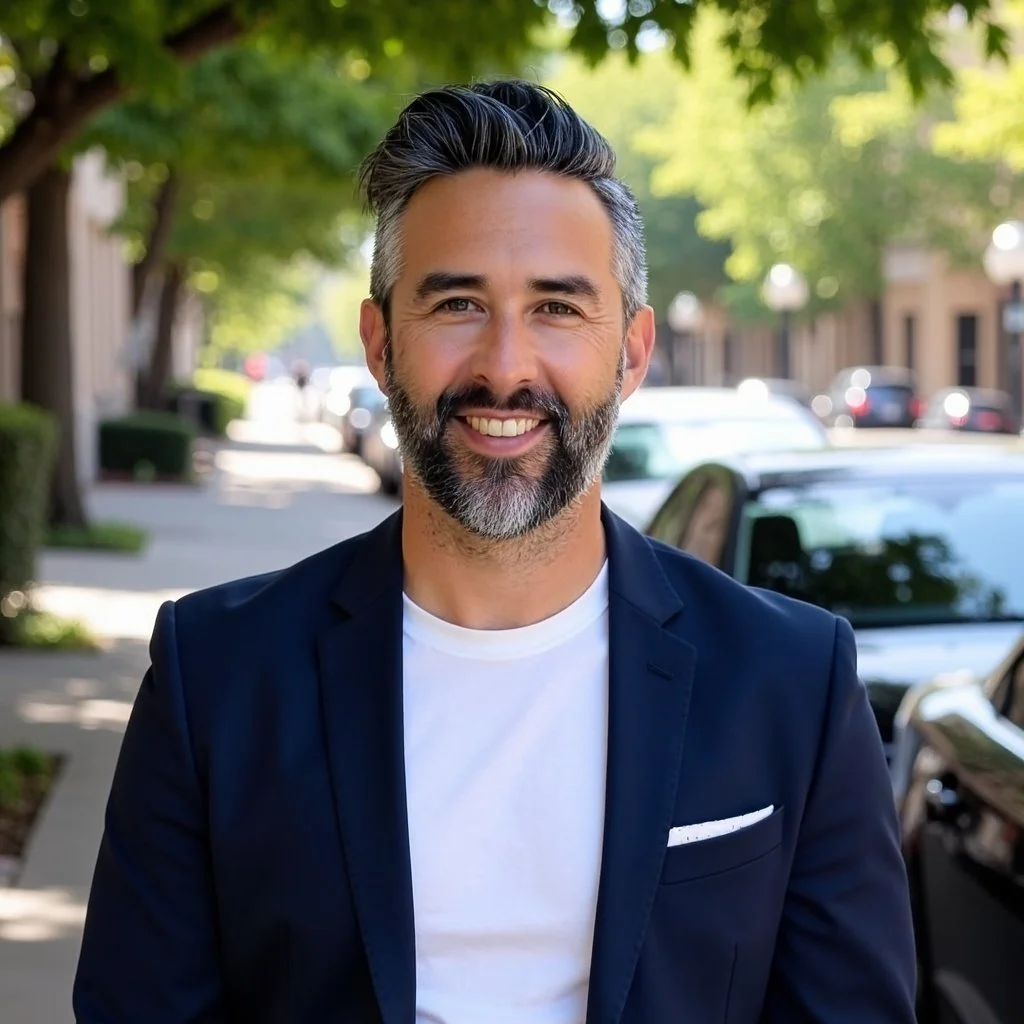
Organizational Diagnostician

Something is wrong inside your organization. You can feel it. You can't name it. I can.

I read organizations the way a physician reads a patient. Not a survey and a slide deck. A root-cause diagnosis of why your people are leaving, why execution stalls, and what it is actually costing you.

Diagnostic work with leaders at Compassion & Choices, Young Life, WOW!, The Education Trust
Diagnostic work with Patagonia Noom USC University of Colorado Young Life The Education Trust Compassion & Choices WOW!
Why you called

Most leaders bring in a consultant to fix a symptom. The symptom is never the problem. Turnover, low performance, a team that will not align: these are downstream of something you cannot see from inside the building.

You have already run the engagement survey. You have already sent people to the offsite. The numbers moved for a quarter and then came back. That is the signature of treating a symptom while the cause runs untouched underneath.

My work starts one layer down. I diagnose the structural and human dynamics driving the behavior you can see: how decisions actually get made, where belonging breaks, which incentives quietly reward the opposite of what you asked for.

You get a named cause, the mechanism behind it, and a sequenced plan to correct it. Not a report that describes your problem back to you. A diagnosis you can act on.

The evidence

What a real diagnosis is worth.

One CEO-transition engagement, measured before and after across 55 organizational indicators. This is what changed.

-63%
Voluntary turnover, reduced
Retention
$2.4M
Recovered in avoided replacement cost
Savings
+18%
Measured productivity gain
Performance
$4.8M
Total quantified impact
Bottom line

Figures from a single documented engagement. Your organization is not a case study yet. That is the point of the first conversation.

Belonging Alignment Performance
The instrument

The OCQ. Built, validated, and mine.

The Organizational Cultural Intelligence instrument came out of my doctoral research at USC Rossier. It is not a repurposed questionnaire. It is a measurement instrument that isolates the signal most tools miss.

Reliability (Cronbach alpha).97
Belonging as predictor of intent-to-leaveβ -0.709
Statistical significancep < .001
Validation samplen = 1,024
Research grounding
The method was built on organizational research conducted inside Google, Meta, Starbucks, and WOW!. It was tested in the systems it was designed to read.
What I do

The diagnosis is the door. The work is what comes through it.

I synthesize across several frameworks at once, in real time, while reading the people in front of me at a level most practitioners never reach. That read is the entry point. The engagement is where it gets built into the organization.

Organizational psychology Cultural dynamics Structural change theory Personality-based human behavior Curriculum design Transformational change Strategic planning
Start here

The Diagnostic

Root-cause read

A structured read of the organization against the OCQ and its underlying frameworks. You leave with a named cause, the mechanism, and a sequenced plan. Every other engagement begins here.

01

Fractional Chief People Officer

Embedded leadership

Senior people-and-performance leadership without the full-time seat. For organizations that need the function led, not just advised, through a period that matters.

02

Executive Coaching

6 to 12 month partnerships

Direct work with executives and emerging leaders. Practical tools to lead across difference, hold high performance, and adapt under real complexity.

03

Strategic Alignment

3 to 6 month engagements

Aligning structure, systems, and people around one direction. Tailored to your context, not a template, and built to hold after I leave.

04

Leadership Development

Custom programs

Curriculum designed to your organization, from the leadership team to the emerging bench. Behavioral science and cultural intelligence, built to transfer.

05

Facilitation & Speaking

Retreats to keynotes

Intensives, plenary sessions, board retreats, and keynote talks. The same read of a room, whether it holds a leadership team or a stadium.

On the stage

The same read, whether the room holds eight or ten thousand.

A plenary session with a leadership team asks for the same thing a stadium does: read the room, find the real tension, move it. I have done both. The skill does not change with the size of the crowd. The stakes do.

8
A leadership team
10,000+
Largest audience addressed
He named in one session what our leadership team had circled for two years.
Kevin C.  ·  CEO, National Health Organization
Dr. Pablo Otaola
About

I fix what is broken inside organizations.

I hold a doctorate in leadership and organizational change from USC Rossier. I have lived and worked across three continents, and I have spent two decades learning to see the thing under the thing: the real reason a capable team underperforms, the real reason good people leave.

But the credential is not the differentiator. Organizations do not have culture problems or performance problems as separate categories. They have one system, and the system is legible if you know how to read it. That is what I do, and I do it faster than the problem expects.

Ed.D.
USC Rossier, Leadership & Organizational Change
.97
OCQ instrument reliability
20+
Years reading organizations
Not ready to book

Get the thinking, not the newsletter.

Occasional writing on what actually drives organizational performance. No cadence obligations. No filler.

One idea at a time. Unsubscribe whenever.

The first conversation

If something is wrong and you cannot name it, that is where I start.

A diagnostic conversation is direct and specific. You describe what you are seeing. I tell you what I think is underneath it, and whether I am the right person to help. No pitch deck.

Direct to my inbox. I read every one and reply personally.